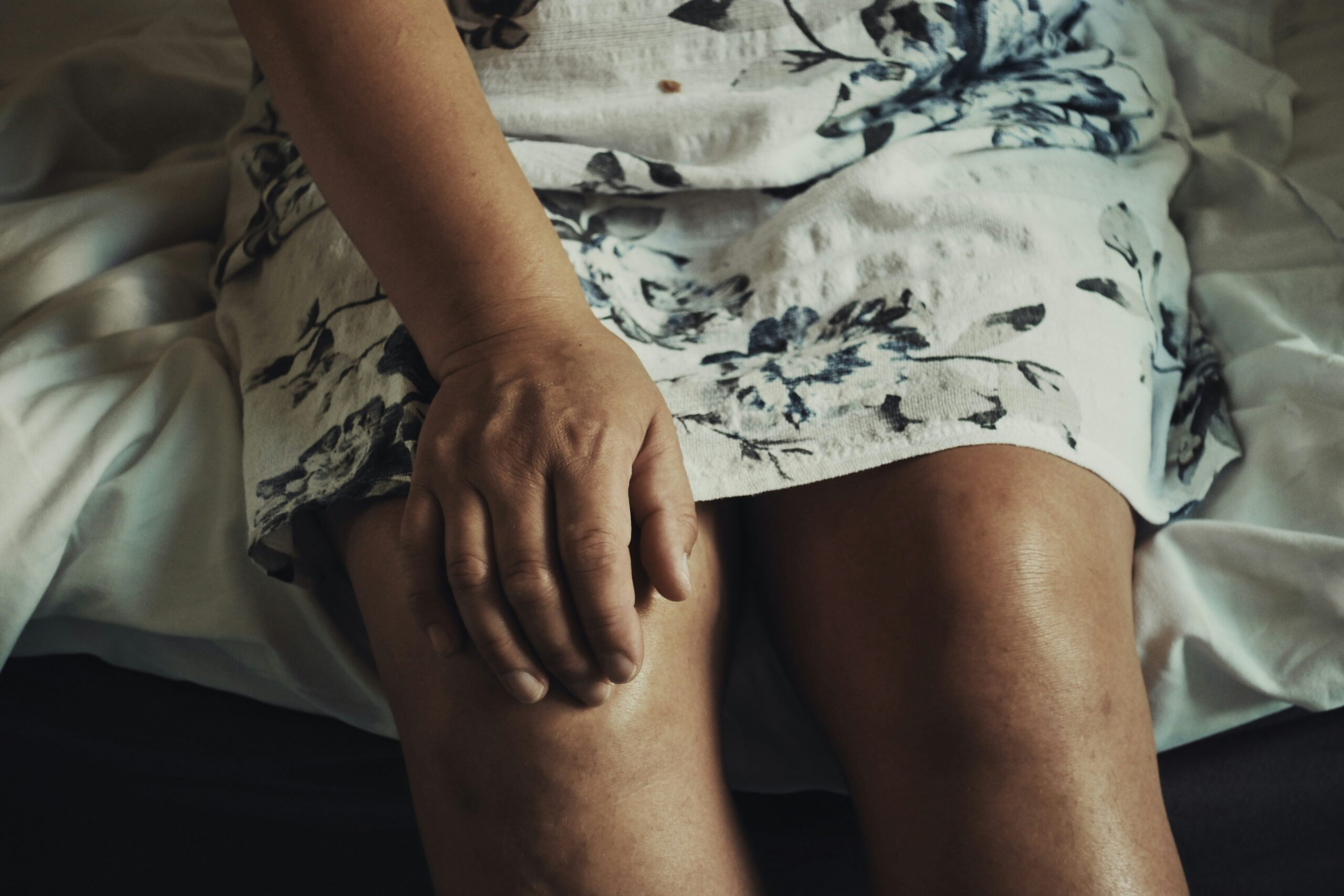

















Advanced Knee Care That Keeps You Active

dot-4.png
Image on Michigan Orthopaedic Surgeons knee page
Find Relief with Trusted Specialists

Expert Care for a Pain-Free Life

Whether it’s the result of a sports injury, arthritis, or years of wear and tear, knee pain can quickly interfere with your ability to move comfortably and live fully. At Michigan Orthopaedic Surgeons, our fellowship-trained knee specialists offer comprehensive, personalized care for everything from ligament injuries and cartilage damage to joint replacement and revision surgery. We combine advanced diagnostics, minimally invasive techniques, and rehabilitation planning to get you back on your feet—stronger and pain-free.

Conditions

Cause

An ACL tear or sprain is one of the most common knee injuries. There are several ways the ACL can be injured, including:

  • Changing direction rapidly
  • Stopping suddenly
  • Slowing down while running
  • Landing incorrectly after a jump
  • Direct contact or a collision, such as a football tackle

About half of all injuries to the ACL occur in addition to damage to other structures in the knee, such as articular cartilage, the meniscus and/or other ligaments.

Grades

Injuries to the ligaments are called sprains and are graded on a scale of 1-3 of severity. The grades are as follows:

  • Grade 1: The ligament is mildly damaged. It has been slightly stretched, but it’s still able to help keep the knee joint stable.
  • Grade 2: The ligament is stretched to the point where it becomes loose. This is often referred to as a partial ligament tear.
  • Grade 3: This is a complete tear, in which the ligament has been split into two pieces and the knee joint is unstable.

Most ACL injuries are complete or nearly complete tears. Partial ACL tears are rare, but they do occur.

Cause

Damage to the articular cartilage in the knee can result from acute trauma, repetitive stress, or degenerative wear. Untreated, it can lead to arthritis.

Cause

Your knee ligaments – the medial collateral ligament (MCL) and lateral collateral ligament (LCL) – connect the thigh bone to your lower leg bones. A medial collateral ligament tear often occurs as a result of a direct blow to the outside of the knee, in which the knee is pushed inward (toward the other knee). A blow to the inside of the knee that pushes the knee outward may injure the lateral collateral ligament.

The MCL is injured more often than the LCL. And due to the more complex anatomy of the outside of the knee, a patient who injures the LCL often injures other structures in the joint as well.

Grades

Injuries to the ligaments are called sprains and are graded on a scale of 1-3 of severity. The grades are as follows:

  • Grade 1: The ligament is mildly damaged. It has been slightly stretched, but it’s still able to help keep the knee joint stable.
  • Grade 2: The ligament is stretched to the point where it becomes loose. This is often referred to as a partial ligament tear.
  • Grade 3: This is a complete tear, in which the ligament has been split into two pieces and the knee joint is unstable.

Cause

Knee arthritis is the degeneration of cartilage within the knee joint, most commonly due to osteoarthritis, but also caused by rheumatoid arthritis or post-traumatic injury.

Cause

Meniscal deficiency results from previous meniscus removal (partial or full), leaving the knee with reduced cushioning and stability—often leading to pain or accelerated joint degeneration.

Cause

The meniscus can tear in different ways – all noted by how they look and where the tear occurs. Common tears include the bucket handle, flap and radial tears.

Cause

Osteoporosis weakens bones by reducing bone mass and density, making them more prone to fractures—including around the knee. It may develop due to aging, hormonal imbalances, poor diet, or sedentary lifestyle.

Cause

The posterior cruciate ligament is located in the back of the knee, and it’s one of several ligaments that connect the femur (thighbone) to the tibia (shinbone). It also keeps the tibia from pivoting too far backward. An injury to it requires a powerful force, so common causes include a bent knee impacting the dashboard in a car accident and a football player falling with the force of their body weight on a bent knee. Injuries to the posterior cruciate ligament are not as common as other knee ligament-related injuries, and they’re often more subtle and thus more difficult to evaluate. Many times, a PCL injury occurs along with damage to other structures in the knee, such as cartilage, other ligaments and bone.

Grades

Injuries to the ligaments are called sprains and are graded on a scale of 1-3 of severity. The grades are as follows:

  • Grade 1: The ligament is mildly damaged. It has been slightly stretched, but it’s still able to help keep the knee joint stable.
  • Grade 2: The ligament is stretched to the point where it becomes loose. This is often referred to as a partial ligament tear.
  • Grade 3: This is a complete tear, in which the ligament has been split into two pieces and the knee joint is unstable.

Latest News

Skiing and Snowboarding Should Be a Blast — Not a “Blow Out”

To help winter sports enthusiasts protect their knees and joints on the slopes, the sports medicine specialists at Michigan Orthopaedic ...

Get Ready to Safely “Tackle” the Snow This Winter: Tips to Prevent Snow Shoveling & Snow Blower Injuries

To help homeowners protect their backs, shoulders, and hands during heavy winter weather, the spine and joint specialists at Michigan ...

Avoiding “Hurt in Hockeytown”: How to Prevent Common Hockey Injuries This Season

To help local athletes stay strong and injury-free on the ice, the sports medicine specialists at Michigan Orthopaedic Surgeons share ...

Request an Appointment